The Future of Robotics: National Strategies and Global Competition
We are entering a transformative era where advanced robotics are becoming a key part of our lives. This mix of AI technology and automation is quickly becoming real, changing both industries and societies. Countries worldwide are creating strong robotics national strategies. They aim to lead in technology and economic power. These plans show how crucial robotics are today. They mark a high point of human creativity and a key part of automation policy. As robotics keep growing, they will change what we can do, affect markets, and alter how countries are viewed globally.

Key Takeaways

- Robotics integration is a keystone of global tech innovation.
- AI technology's role is expanding within the robotics landscape.
- Distinctive national strategies are essential for competitive positioning in the robotics sector.
- Automation policy aligns with national and economic interests for emerging technologies.
- Shaping the future of robotics is critical for industry growth and AI advances.
Introduction to the Robotics Revolution
Robotics has changed a lot, moving from basic automation to using advanced AI. This change is a big deal for technology and is changing how industries and societies work worldwide. Our work in robotics research and AI innovation has made machines that can make decisions, solve complex problems, and learn from their experiences.
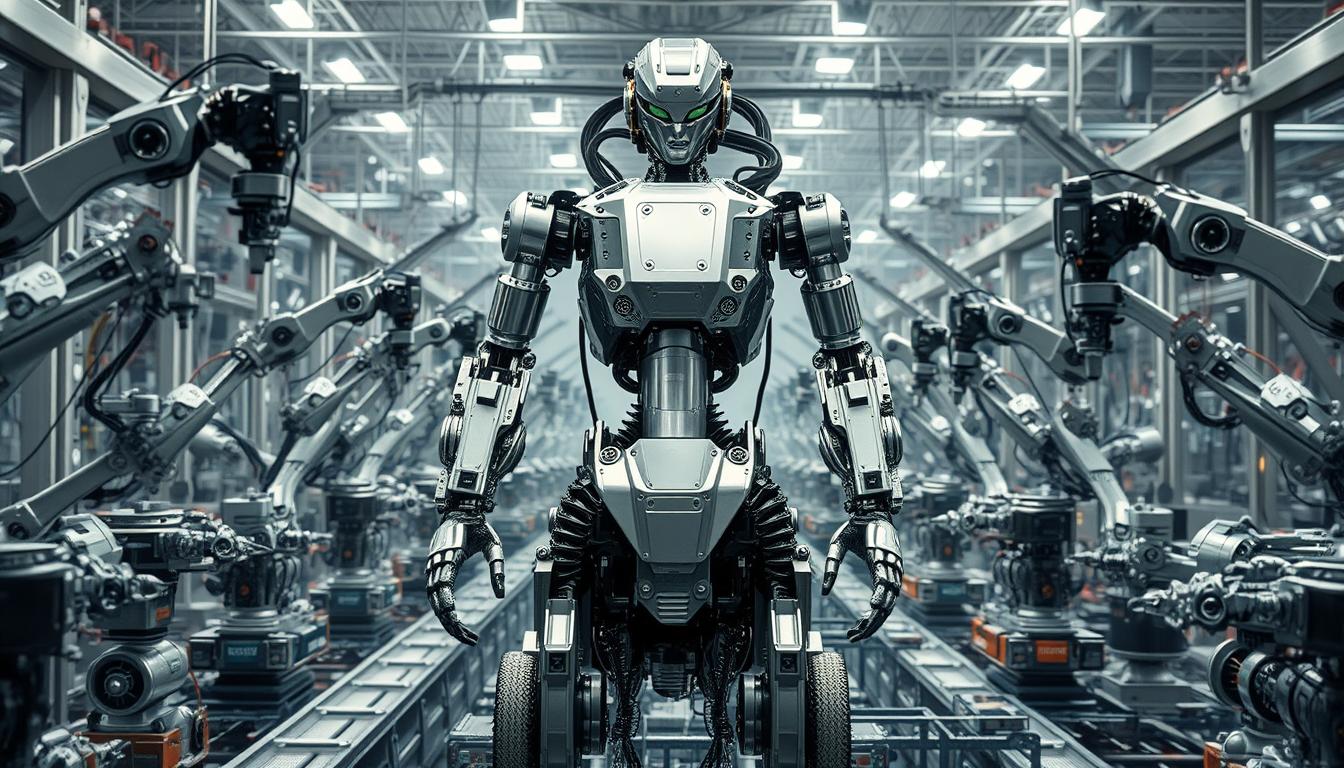
Modern robots can see better and interact with their surroundings, thanks to advanced sensors. This improvement comes from strategic planning and technology development in different fields. It's key for making industries like healthcare, making things, and services more productive and efficient. AI innovation is becoming more important in robotics, making technology and daily life blend together more smoothly.
The Evolution of Robotics: From Automation to AI Integration
Robotics history is filled with big steps from simple machines to robots that act like humans. It started with making tasks easier to do over and over, but now, robots use complex AI to learn and act on their own in tricky situations. We're investing a lot in AI innovation to make sure robotics stay on the cutting edge with emerging technologies.
Global Impact of Robotics: Changing Industries and Societies
Robotics is having a wide effect on industries around the world, bringing both new challenges and chances. They've changed old ways in areas like cars and electronics and are now playing a big role in farming and healthcare. With strategic planning and technology development, robots are making things run smoother and opening up new ways of doing business. This is seriously changing how societies work and provide services.
Robotics National Strategy
We're focusing on a plan to make our country a world leader in robotics. This national strategy for robotics industry development sets our main goals. It helps us get ready for the future of technology. This includes automation and artificial intelligence.

Our plan relies on strong government initiatives to boost the robotics field. We're making sure these new ideas are safe and fair with a smart regulatory framework. This way, innovation can grow without hurting our social values.
| Core Element | Description | Impact |
|---|---|---|
| Government Initiatives | Provide funding, resources, and support to burgeoning robotics enterprises and research institutions. | Drives innovation and accelerates growth within the national robotics industry. |
| Regulatory Framework | Establish guidelines and standards that encourage ethical practices and responsible deployment of robotics technologies. | Ensures sustainable development while protecting public interest and integrating societal values. |
| National Priorities | Define specific objectives and goals to align robotics advancements with broader economic and social agendas. | Aligns technological growth with national interests, ensuring resources are channeled into priority areas. |
This strategy not only moves robotics industry development forward but also keeps our global standing strong. We must keep supporting these efforts. Making sure our policies stay up-to-date with tech changes and our goals match worldwide trends is crucial.
Comparing National Robotics Initiatives Worldwide
When we look at national robotics initiatives around the world, we see how different each country's approach is. These differences show what countries think is important and how robotics research funding and government policy are key to technology growth.

In the United States, there's a big push to use new emerging technologies in robotics with AI. This helps the country lead in tech and solve workforce shortages. On the other hand, China is quickly growing its robotics sector through massive investments. Their strategy is part of a bigger plan for economic growth.
The European Union takes a different path with a focus on working together. They want to make sure technology grows smoothly in all member countries. This teamwork is about mixing innovation with ethical rules across many places.
Every country's national robotics initiative shows how they plan to face future tech challenges and chances. These efforts tell us a lot about preparing for the robotics future.
The Role of Government in Shaping the Future of Robotics
The world of robotics is changing fast, and governments play a big part. With smart government policy on robotics and strong innovation policy, they create a perfect space for tech growth. This push is crucial for robotics research and setting up robotics education programs for the new generation.

Funding and backing for robotics research are areas where governments make a big difference. They give researchers what they need to explore new possibilities in robotics. This helps in making breakthroughs in tech.
Funding and Support for Robotics Research and Development
Robotics research is key to innovation today. Governments know its value for tech growth and keeping a lead in the global scene.
Regulatory Environment and Ethical Considerations in Robotics
Creating good rules for robotics is also key. This means making policies that boost innovation but also think about ethics. Clear rules help avoid risks and make sure robotics grows right, without hurting ethics or society.
If we focus on refining government policy on robotics, boosting innovation policy, and support for robotics education programs and robotics research, we can smoothly bring tech into our lives. It's about moving together towards a future where tech makes our lives better.
Educational Policies and Robotics Workforce Development
Today's world is driven by technology. Thus, focusing on STEM education and robotics workforce development is key. These efforts get people ready for tech jobs and ensure our workforce excels with advanced robotics. By creating strong reskilling programs and a lively robotics innovation ecosystem, we're preparing for future challenges and opportunities.

Colleges lead the way with specialized robotics programs. They form partnerships with industry leaders. This gives students hands-on experience, crucial for success in robotics.
It's also vital to retrain current workers, not just new students. As robots become more common in work, everyone needs to keep up. Reskilling helps people advance in their careers and keeps companies competitive worldwide.
| Strategy | Implementation | Impact |
|---|---|---|
| STEM enhancement program | Integration into university curricula | Increased student engagement in robotics |
| Reskilling workshops | Offered through partnerships with tech firms | Workforce adaptation to advanced robotics technologies |
| Innovation hubs | Development of specialized research centers | Boost in local robotics innovation ecosystems |
To build a strong robotics innovation ecosystem, we need to integrate key components into education and job training. Whether it's improving STEM education in schools or offering reskilling for current workers, the goal is to prepare talented people for a tech-driven world.
Industry Competitiveness and Robotics Innovation Ecosystems
To stay ahead, combining robotics technology advancements and artificial intelligence with our work is key. It is a crucial part of our innovation effort. Working together with top industry people and schools helps us build strong innovation networks. These networks drive economic growth and put us at the front of tech progress.
Knowing how these ecosystems work helps us find new growth chances. The blend of top-notch robotics and AI moves our industries ahead. It ensures we are swift, flexible, and ready for the world's changing needs.
| Feature | Impact on Industry Competitiveness |
|---|---|
| Automated Production Lines | Increases manufacturing speed and precision |
| Data Analytics Integration | Enhances decision-making and operational efficiency |
| Cognitive Machine Learning | Enables adaptability and continuous improvement |
| Collaborative Robots (Cobots) | Improves worker safety and job quality |
Using these technologies boosts our natural abilities and keeps our economic growth strong in a tough global market. By adopting these cutting-edge robotics technology advancements, we solidify our leading position in global innovation.
Public-Private Partnerships in Robotics Technology Advancements
When public and private sectors team up, big technology leaps, especially in robotics, happen. Through such partnerships, we push forward important robotics projects. This helps us stay ahead in industry and technology.
These collaborations create a space where research and business drive innovation together. It's like a melting pot of ideas.
When we delve into how these partnerships work, it's clear they drive robotics innovation. These alliances speed up tech progress. They also show us the potential of working together.
Case Studies: Successful Collaborations in Robotics Projects
Many examples show how public-private partnerships have succeeded. For example, collaborations between top tech companies and government agencies have created advanced robots. These robots do important jobs in dangerous places, like during disasters or in space.
These efforts don't just move robotics technology forward. They also make sure operations are safe and efficient.
Strategies for Fostering Public-Private Robotics Innovation
To boost robotics innovation, we need the right strategies. First, creating an environment that encourages resource sharing is critical. This inspires both public and private sectors to work together more closely.
Supporting policies that share risks and investments helps too. This makes it easier for private companies and helps achieve public science and technology goals. This approach encourages ongoing innovation in robotics. It shows how crucial public-private partnerships are.
Global Competition and Collaborative International Robotics Projects
In the world of robotics, planning ahead is key for growth and keeping technologies going. Teams from different countries work together and compete to make sure the field of robotics keeps getting better. We're going to look at how working together across borders impacts the industry and the mix of working together versus competing.
The need for cutting-edge robots is growing all over the world. This means we must plan well to stay ahead in a competitive global scene. By working on projects together, countries can share ideas and advancements. These partnerships help the robot industry grow fast by combining resources, knowledge, and ways to solve problems.
But, working together needs to be balanced with staying competitive. The drive to compete makes countries work harder to come up with new and better robot solutions. This race pushes nations to innovate quickly and develop robots that stand out. It's all about finding the right mix between working together and competing to keep pushing for new inventions.
In the end, finding the right plans to mix competition with collaboration is crucial. The best strategies use international projects to tackle challenges that come from competing globally. As we move deeper into the era of robotics, how we manage these two sides will direct the global industry's future.
The Impact of Robotics on National Security and Defense
The role of robotics in defense and automation technology is reshaping military tactics and strengths across the globe. Autonomous systems are now key in collecting data, watching over regions, and engaging in fights. This shift shows how critical technology has become in defense efforts.
Government initiatives are pushing nations to upgrade their defense with advanced robotic systems. These systems boost human efforts and redefine our approach to national security. Also, using automation technology in the military shows how robots help keep countries safe and ready for action.
Robotics greatly improve our defense strategies in important ways:
- Autonomous drones enhance monitoring, increasing awareness of surroundings.
- Robots reduce the risk to human lives in conflict areas.
- Robotic tech allows more precise and effective military actions, reducing unintended harm.
- AI-powered robots strengthen cybersecurity, protecting against new digital attacks.
Robotics in defense highlight how far technology has come and its importance in safeguarding nations. As tech progresses, the bond between robotics and national security strengthens. This is due to governments recognizing the need to guard against threats efficiently.
Emerging Technologies in Robotics and Future Trends
As we dive into robotics, the rise of emerging technologies in robotics creates a strong base. They make systems more advanced, quick, and smart. The use of AI integration and machine learning stands out because it lets robots do tasks and learn from their surroundings. This makes them more effective each time.
Adding quantum computing to robotics opens new paths for better processing power. This could lead to big breakthroughs in how fast problems are solved. It might help robots make complex decisions and process data instantly.
It's important to keep up with emerging technologies in robotics, AI integration, machine learning, and quantum computing. Staying ahead means sparking new ideas and staying ahead in a quickly changing tech world.
Conclusion
We've seen how crucial a clear national strategy is for countries in the robotics field. Nations aiming to lead in tech innovation must have solid plans. The USA, China, and the European Union show this with their unique ways of boosting the robotics sector. They understand how robotics can change the world.
To build strong systems for now and the future, countries are focusing on education and workforce development. They also work closely with businesses. Working together across countries is key to making big leaps in technology. By joining forces, they highlight the power of teamwork in tech's rapid progress.
In wrapping up, focusing on innovation, putting money into tech development, and having a complete robotics strategy are crucial. These efforts create a strong foundation for global tech advances. By combining great education, industry insight, and working with others around the world, the robotics field is set for an exciting future. For countries willing to dive in, the opportunities are endless.
FAQ
What are the key components of a national robotics strategy?
How does the integration of AI in robotics revolutionize the industry?
Why is a robust regulatory environment important for the development of robotics?
How do different countries approach their robotics initiatives?
What role do governments play in the advancement of robotics technologies?
Why are STEM education and robotics workforce development critical?
How do public-private partnerships enhance robotics technology development?
How do emerging technologies like quantum computing impact the future of robotics?
What implications does robotics technology have for national security and defense?
This Content Sponsored by Buymote Shopping app
BuyMote E-Shopping Application is One of the Online Shopping App
Now Available on Play Store & App Store (Buymote E-Shopping)
Click Below Link and Install Application: https://buymote.shop/links/0f5993744a9213079a6b53e8
Sponsor Content: #buymote #buymoteeshopping #buymoteonline #buymoteshopping #buymoteapplication


No comments:
Post a Comment